Comprehending the Key Functions of Pipeline Solutions and Their Influence On Effectiveness
Pipeline services play a vital function in various sectors, affecting operational performance considerably. Key functions, such as advanced monitoring innovations and upkeep techniques, are important for decreasing downtime. Furthermore, regulatory compliance guarantees security and environmental management. The interplay in between style, framework, and financial variables can make complex these procedures. Comprehending just how these components impact total effectiveness raises vital concerns regarding finest practices and future developments in the area.
The Duty of Innovation in Pipeline Surveillance
As developments in innovation remain to advance, the significance of effective pipeline surveillance has ended up being increasingly apparent. Modern pipe systems depend on sophisticated surveillance devices that boost functional performance and safety. Technologies such as real-time information analytics, sensing units, and drones provide drivers with instant insights into pipeline conditions, enabling them to identify leakages, deterioration, and other potential concerns prior to they intensify into substantial troubles.
Furthermore, the combination of Internet of Points (IoT) tools has actually transformed conventional monitoring approaches, enabling continuous security and automated coverage. This proactive strategy not just lessens dangers but additionally maximizes maintenance schedules and source allowance. Furthermore, advanced software systems help with information visualization and interpretation, encouraging decision-makers to react swiftly to anomalies. Jointly, these technical advancements not only boost pipe stability but also foster environmental stewardship by reducing the possible influence of leakages and spills.
Upkeep Methods for Boosted Effectiveness
Reliable maintenance approaches are necessary for optimizing pipeline performance. Executing predictive maintenance methods, adhering to routine assessment protocols, and developing robust emergency situation feedback plans can greatly improve functional integrity. These approaches not only decrease downtime but likewise add to the overall safety and security and stability of pipe systems.
Predictive Upkeep Methods
Predictive upkeep methods are increasingly acknowledged for their ability to enhance functional performance in pipeline services. By leveraging data analytics and checking technologies, these techniques allow operators to expect devices failings prior to they happen. This positive method reduces unexpected downtime, minimizes upkeep expenses, and prolongs the life expectancy of important properties. Sensors and IoT tools play a crucial role in gathering real-time information, permitting the analysis of tools wellness and performance trends. Artificial intelligence algorithms evaluate this information to identify patterns and forecast prospective problems. As a result, pipe operators can set up maintenance tasks during non-peak times, maximizing resource allowance and guaranteeing continuous procedure. Ultimately, the fostering of predictive upkeep cultivates an extra reliable and efficient pipeline facilities.

Routine Examination Protocols
Regular inspection methods act as a foundation of maintenance strategies focused on improving efficiency in pipe procedures - Midland pipeline construction company. These procedures involve methodical assessments of pipe integrity, concentrating on discovering prospective issues before they rise. Routine assessments usually consist of aesthetic assessments, leakage discovery innovations, and pressure surveillance to guarantee peak efficiency. By sticking to recognized routines, operators can recognize rust, material wear, or obstruction, thus decreasing downtime and repair service prices. Additionally, information accumulated during assessments can educate predictive maintenance efforts, permitting an aggressive technique to pipeline administration. Eventually, routine examinations not just expand the lifespan of pipe framework but also add to more secure and much more reputable transport of sources, enhancing total operational performance
Emergency Action Preparation
Emergency action preparation is vital for preserving performance in pipe procedures, ensuring that operators are prepared to deal with unexpected occurrences swiftly and effectively. A well-structured emergency response plan consists of clear procedures, assigned roles, and interaction approaches to mitigate risks connected with pipeline failings. Routine drills and training enhance team readiness and familiarize personnel with emergency situation treatments. In addition, having readily available resources, such as spill containment equipment and emergency situation contact listings, can significantly reduce response times. By integrating real-time surveillance innovations, drivers can quickly determine and respond to problems, minimizing environmental influence and operational downtime. Inevitably, a thorough emergency feedback strategy not only safeguards properties and workers however additionally enhances the overall effectiveness of pipeline services.
Regulative Conformity and Security Standards
Governing compliance and safety criteria play a necessary function in the pipe solutions industry. Midland pipeline construction company. Abiding by market laws assures that firms execute efficient safety and security protocols and risk monitoring techniques. This commitment not only secures personnel and the atmosphere however likewise improves overall functional performance
Conformity With Industry Laws
Compliance with industry regulations is vital for making sure the security and effectiveness of pipeline operations. Regulative frameworks, such as those developed by the Epa (EPA) and the Pipeline and Hazardous Materials Security Management (PHMSA), established rigorous criteria that operators must stick to. These guidelines click over here cover various elements, including pipeline design, building and construction, upkeep, and tracking, assuring that systems run securely and effectively. Non-compliance can lead to severe charges, functional delays, and environmental dangers. By adhering to these laws, pipe business not just secure public safety and security and the atmosphere yet likewise boost their functional effectiveness. Ultimately, regulatory compliance cultivates trust amongst stakeholders, making certain that pipe services can run seamlessly in an affordable landscape while fulfilling lawful commitments.

Safety And Security Procedure Execution
Effective security procedure implementation is a vital element of pipeline operations, carefully linked to regulative conformity and safety and security standards. Abiding by these procedures not only assures the defense of personnel but also safeguards the atmosphere and infrastructure. A robust safety and security framework consists of regular training, comprehensive evaluations, and using appropriate safety and security equipment. Organizations must continue to be attentive in updating their methods to show modifications in regulations and technological advancements. Conformity with recognized security standards decreases the threat of crashes and boosts functional performance. Furthermore, a society of safety fosters employee engagement and accountability, adding to overall business success. Ultimately, effective safety and security procedure execution is critical in preserving the stability of pipeline solutions and attaining lasting sustainability in procedures.
Threat Management Techniques
Carrying out robust threat management strategies is essential for guaranteeing that pipeline operations abide by regulative demands and security criteria. Organizations must recognize possible risks and assess risks connected with pipe tasks. This entails conducting detailed inspections, using advanced monitoring innovations, and keeping compliance with market laws. Regular training for workers on security procedures enhances situational recognition and prepares groups to react efficiently to emergencies. In addition, establishing contingency plans and carrying out drills can substantially mitigate risks. Collaborating with regulative bodies ensures positioning with developing safety and security requirements. By prioritizing danger monitoring, pipeline solutions can boost functional effectiveness while guarding both the environment and public safety and security. Eventually, an aggressive method to take the chance of monitoring cultivates a culture of safety and security within the industry.
Pipeline Layout and Facilities Considerations
Just how can the design and framework of pipelines influence general operational effectiveness? The setup of pipes plays an essential function in establishing their performance. Effective style reduces rubbing losses, thus lowering energy consumption during fluid transport. Factors such as diameter, material option, and design directly impact flow rates and upkeep demands.
Additionally, calculated placement of valves and checking systems boosts functional control and safety. Creek Pipe local contractor. Framework considerations, including availability for upkeep and repair work, considerably impact downtime and overall performance
Additionally, integrating advanced technology for real-time monitoring helps with timely detection of leakages or ineffectiveness, guaranteeing swift reactions to issues. The general structural honesty, affected by material sturdiness and ecological variables, additionally forms long-lasting operational success. Subsequently, thoughtful style and durable framework are crucial for taking full advantage of pipe performance, ultimately adding to the integrity and earnings of pipe solutions.
Environmental Impact and Sustainability Practices
While the demand for pipeline services remains to grow, recognizing the ecological influence and embracing sustainability practices has actually come to be increasingly crucial. The building and procedure of pipes can especially affect ecosystems, wildlife environments, and water resources. To reduce these impacts, firms are executing advanced modern technologies and methods focused on reducing exhausts, stopping spills, and minimizing land disruption.
Sustainability campaigns often consist of utilizing ecologically friendly products, boosting energy efficiency, and employing renewable resource resources to power procedures. Furthermore, business are progressively performing comprehensive environmental assessments prior to job initiation, making sure conformity with regulations and stakeholder engagement.
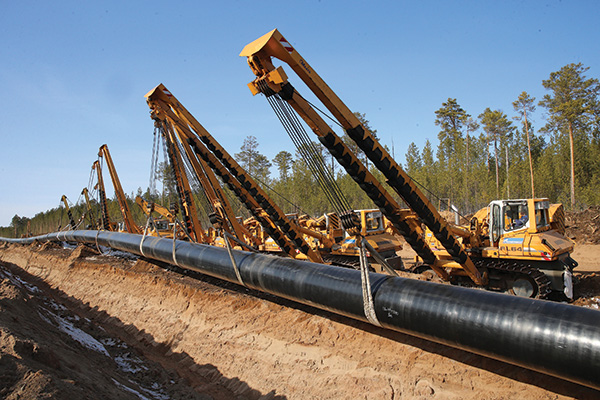
Expense Administration and Financial Consider Pipeline Solutions
As the pipe industry expands, efficient cost monitoring and comprehending economic variables end up being vital for maintaining competition. Companies encounter various financial pressures, consisting of varying product costs, labor expenditures, and regulative conformity charges. To browse these difficulties, pipeline company must take on calculated monetary planning and budgeting methods.
Investing in innovation can enhance operational performance, eventually lowering expenses with time. Furthermore, reliable project monitoring guarantees that resources are designated efficiently, lessening hold-ups and unexpected costs.

Market conditions, such as demand for energy and geopolitical variables, also influence financial practicality. Business must remain dexterous, adjusting their methods in feedback to these external elements.
Often Asked Inquiries
What Are the Different Kinds Of Pipeline Solutions Available?
Different sorts of pipe solutions consist of transport, storage, maintenance, assessment, and repair service. Each solution plays a critical next page role in guaranteeing the seamless movement of products, boosting safety and security, and decreasing functional interruptions throughout various industries.
How Typically Should Pipeline Inspections Be Carried Out?
Pipeline examinations must be conducted regularly, commonly each to learn this here now three years, depending upon the type and problem of the pipeline. Extra regular inspections might be required for older or risky pipelines to assure security and honesty.
What Are the Main Causes of Pipeline Failings?
The primary reasons of pipeline failings include deterioration, malfunctioning construction, product defects, exterior damage, leakages, and operational mistakes. Each factor adds significantly to potential threats, highlighting the relevance of routine maintenance and monitoring for safety.
Just How Can Companies Boost Pipeline Service Dependability?
Firms can improve pipe solution reliability by carrying out regular maintenance routines, making use of advanced tracking modern technologies, conducting comprehensive assessments, purchasing staff member training, and adopting positive danger monitoring techniques to expect and alleviate possible failings.
What Role Do Operators Play in Pipeline Providers?
Operators play a vital duty in pipe solutions by ensuring safe transportation, preserving devices, checking system integrity, coordinating maintenance, and reacting to emergency situations. Their proficiency directly affects functional performance and minimizes interruptions in solution shipment.